Betz Farm: Here's What Actually Happened
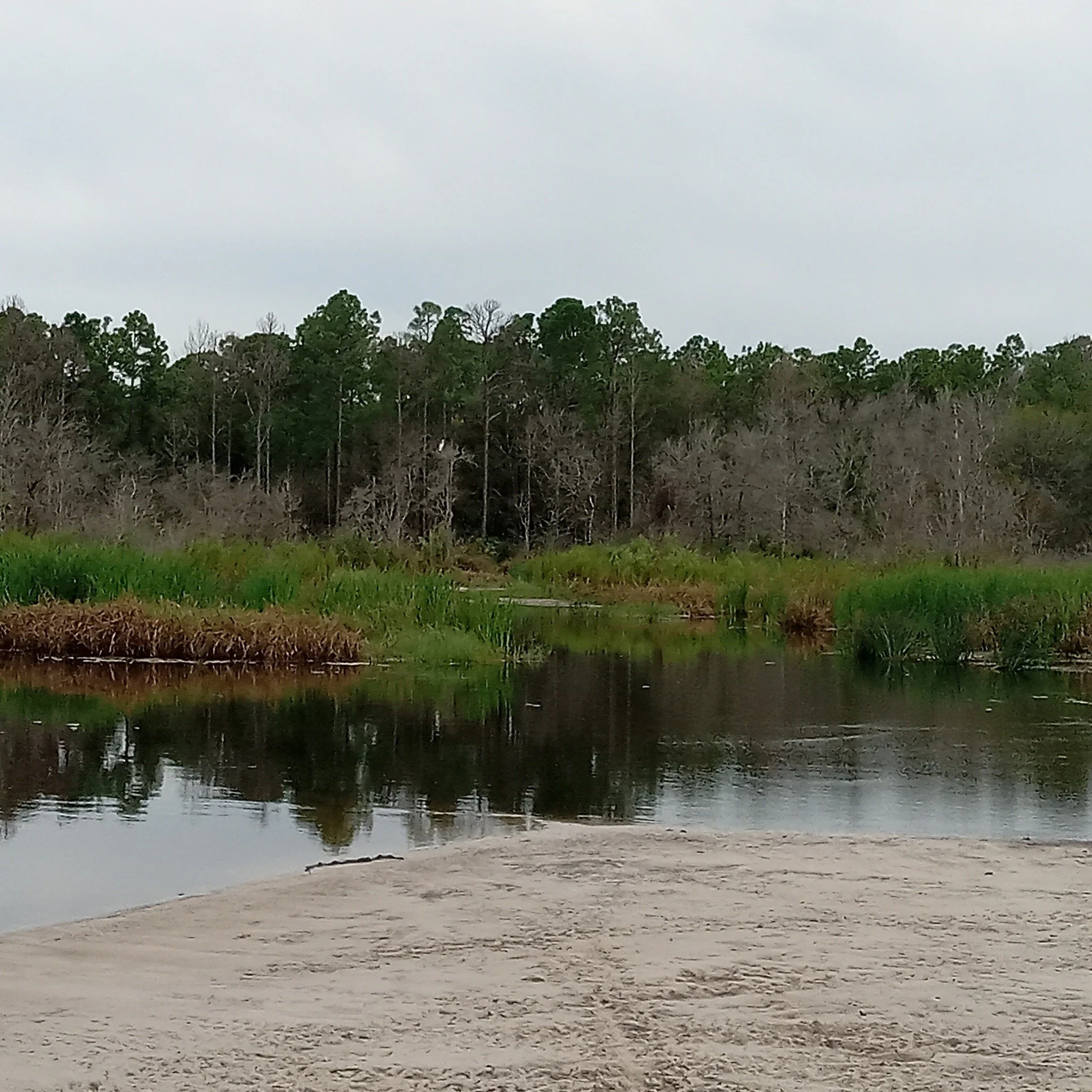
Yes, the buyer missed a deadline. But here's what nobody told the board: the county is the reason the deadline was missed. That changes everything — legally and morally.
The Simple Version First
Imagine you hire a contractor to renovate your kitchen. You tell him he has six months to finish. Then you spend three of those months blocking his access to the house while you sort out a problem on your end. Then you also tell him midway through to completely change the design — which takes more time. Then when the six months are up and he's not done yet, you fire him and try to keep his deposit.
That's essentially what happened with Betz Farm.
What the Developer Was Up Against
The county had a purchase contract with developer DIX for the Betz Farm property in Crystal River. There were deadlines in that contract — things the developer was supposed to accomplish by certain dates.
Here's what the board wasn't fully told when they voted to cancel the contract:
Problem one — the county couldn't deliver clear title. Before a real estate deal can close, the seller has to prove they own the property free and clear — no disputes, no liens, no clouds on the title. The county had a title problem. It took six months to sort out. Six months the developer was sitting there, ready to move forward, waiting on the county to get its own paperwork straight.
Problem two — the county told the developer to go through the PUD process. A Planned Unit Development — PUD — is a detailed planning and zoning process that takes significantly longer than a standard development approval. The county directed the developer to pursue a PUD. That's not a small ask. It adds months to the timeline. The developer did what he was told.
So when the deadline passed and the developer hadn't hit every milestone — it was largely because the county's own title problems and the county's own instruction to pursue a PUD had pushed the timeline out. The developer didn't abandon the deal. He kept working. The county kept working with him. Both sides continued moving toward closing long after the original deadline had passed.
There's a Legal Principle for Exactly This Situation
You don't need a law degree to understand this one. It's basic fairness, and the law agrees.
If you cause someone to miss a deadline — if your actions or your delays are what made it impossible for them to perform on time — you cannot then use that missed deadline as a reason to cancel the contract and walk away. That's called the prevention doctrine, and Florida courts have upheld it consistently.
In plain English: you don't get to trip someone and then disqualify them for falling.
The county had a title problem that delayed the deal for six months. The county directed the developer into a longer approval process. Then the county pointed to the resulting delay and said the developer was in default. That argument was always going to fail in court — and the county attorney should have known that before advising the board to terminate.
What Should Have Happened
When the County Attorney reviewed this situation, the question wasn't just "did the developer miss the deadline?" The question was "why did the developer miss the deadline, and did the county contribute to that?"
The answer to the second question was yes — clearly and significantly. A thorough legal review would have found that. It should have stopped the termination before it ever reached a board vote.
Instead, the board was told the developer was in default and that the county could walk away for $100,000. That advice was incomplete. It left out the title delay. It left out the PUD instruction. It left out the fact that both sides had continued working together after the deadline passed — which itself signals that neither party treated the contract as cancelled.
Incomplete advice on a million-dollar decision is not acceptable. The county attorney's job is to know the full picture and present it to the board. That didn't happen here.
What Happened at the May 12 Meeting
Commissioner Holly Davis brought a motion to reinstate the contract — to undo the cancellation and get the deal back on track. That was exactly the right move.
The developer's attorney Rob Batsel showed up with evidence. Documentation of the title delays. Documentation of the PUD instruction. Documentation of both sides continuing to work together after the deadline. The kind of evidence that would have made any judge look at this case and say — the county caused this delay, they cannot use it to terminate.
Chair Finnegan didn't let him present it. She shut him down before he could speak.
The county attorney then told commissioners the rescission might not even be a proper agenda item — leaving the board uncertain about whether they could fix the problem in front of them.
Think about what was at stake in that room. A developer who could prove the county caused the delay that the county was using to cancel his contract. Evidence that, if ignored, would end up in a courtroom — where the county would almost certainly lose and taxpayers would pay the bill.
That evidence deserved to be heard. Every commissioner deserved to see it before casting a vote. Shutting it out didn't make the problem go away. It just guaranteed the problem would get more expensive.
Why the Commissioners Who Voted to Reinstate Were Right
The commissioners who voted to reinstate the Betz Farm contract understood something simple: when the county is the reason a deadline was missed, the county cannot legally terminate over that missed deadline. Trying to do so anyway would hand the developer a winning lawsuit and hand taxpayers the bill.
Reinstating the contract wasn't a political favor to a developer. It was the only legally defensible position — and the right thing to do by every resident whose tax dollars would have funded the alternative.
The Bottom Line
The deadline passed. That part is true. But the deadline passed because the county had a title problem for six months and because the county told the developer to take a longer route through the PUD process. The developer kept working. The county kept working with him. Nobody treated the contract as over — until someone decided to cancel it without examining why the deadline had slipped in the first place.
That's the full story. And it's the story the board deserved to hear before they voted — the first time, and at the May 12 meeting when the evidence was sitting right there in the room.
What You Need to Know
Yes, the deadline passed — but the county's title problem caused 6 months of delay
The county told the developer to pursue a PUD — which takes longer by design
Both sides kept working together after the deadline — nobody treated the deal as dead
Under Florida law, you cannot terminate a contract over a delay you caused
The board was not told any of this before voting to cancel
The developer's evidence was shut out of the May 12 meeting by the chair
Reinstating the contract protected taxpayers from a lawsuit the county would have lost
