Legal Questions That Still Need Answers
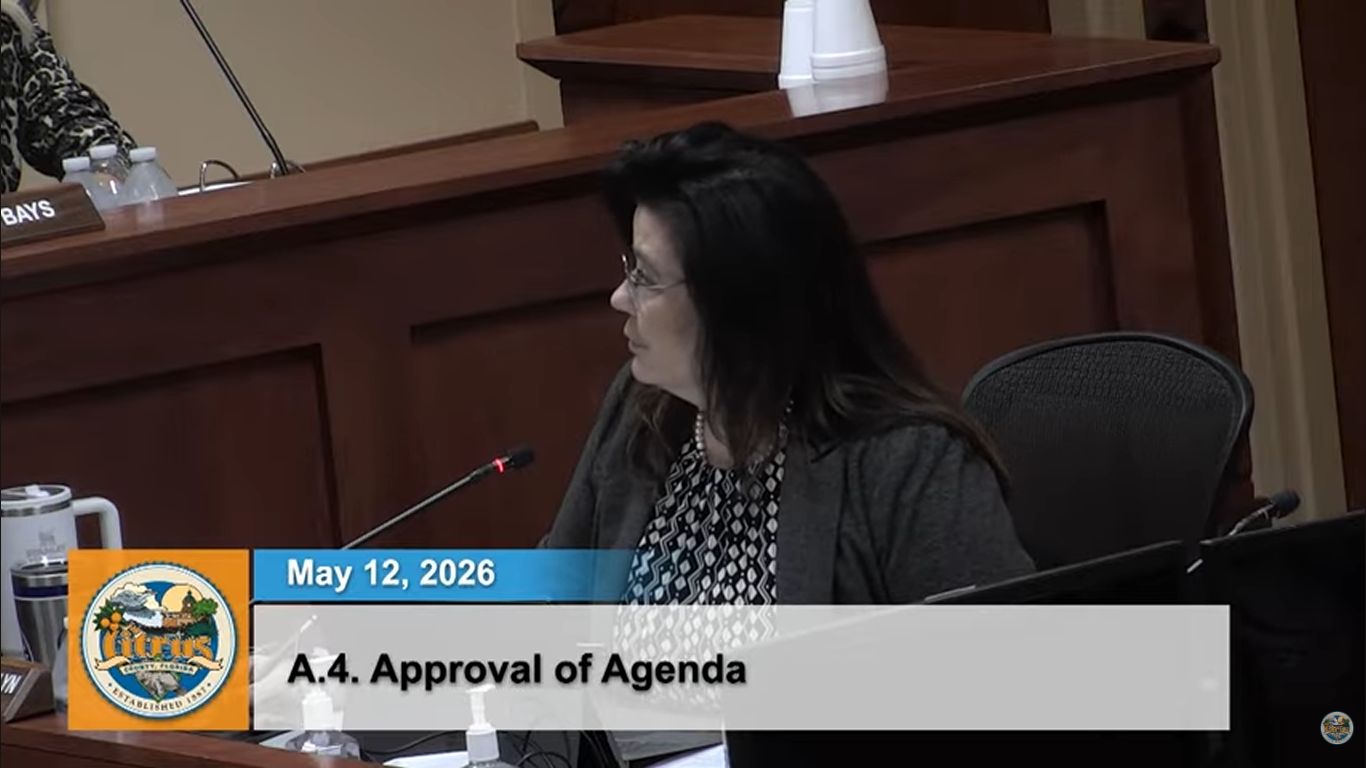
Nobody sent the required notice. Nobody told the board the full story. And when the evidence finally showed up at the meeting, the chair shut it down. Taxpayers almost paid for all of it.
Someone Should Have Been Keeping Track
When Citrus County signed a contract to sell Betz Farm to developer Bravo Land Group, it took on a legal obligation — not just to sell the property, but to manage that contract properly. That means knowing the deadlines. Knowing what the developer was required to do and when. Knowing what steps the county itself had to follow if it ever believed the developer had fallen short.
That is exactly what the county attorney's office is paid to do.
Based on what happened at the May 12 meeting — and what didn't happen in the two years before it — serious questions need to be asked about whether that job was done.
Question 1: Why Was No Notice of Default Ever Sent?
In Florida, you cannot legally cancel a contract because someone missed a deadline and simply send them a termination letter. The law requires a specific step first: a Notice of Default. That notice has to tell the other party exactly what they did wrong and give them time to fix it — typically 30 days. Only after that process can a termination be valid.
That notice was apparently never sent to the developer. Not two years ago when concerns first arose. Not before the termination letter went out. Never.
Why not? That is a question the county attorney's office needs to answer. Because without a proper Notice of Default, the termination itself may be legally void — and a void termination hands the developer a winning lawsuit before the case even starts.
Question 2: Did Legal Know the Full Story?
Here is what the board needed to know before they voted to terminate the Betz Farm contract:
The county had a title problem that held up the deal for six months
The county told the developer to go through the PUD process — which takes significantly longer than a standard approval
Despite the missed deadline, both sides kept working together toward closing
Under Florida law, you cannot terminate a contract over a delay you caused
Did the county attorney tell the board any of that? Based on the public record of the meeting, the answer appears to be no. The board was told the developer was in default. They were told the county could walk away. They were told the financial risk was capped at around $100,000 in insurance coverage.
All of that advice left out the most important facts. And decisions made without the full picture are not really decisions at all — they are guesses. Expensive ones.
Question 3: Was It Really Illegal to Put Rescission on the Agenda?
At the May 12 meeting, the county attorney told commissioners that Commissioner Davis's agenda item — a motion to rescind the termination — was legally improper. She suggested the board might not even be able to vote on it.
That advice left commissioners confused about whether they could fix a problem sitting right in front of them.
Here is the question that needs a clear public answer: was that advice correct?
Florida law and county ordinance do set out rules for rescinding prior board decisions. But legal experts who have reviewed the situation say the board had options — including framing the motion as a new action to reaffirm the contract rather than a rescission of the prior vote. The county attorney should have identified those options and presented them clearly. Instead, commissioners were left feeling like their hands were tied on a decision that could cost taxpayers over a million dollars.
Whether that advice was wrong, incomplete, or simply poorly communicated, the effect was the same: a board that needed to act clearly was left uncertain about whether it even could.
Question 4: Why Didn't Legal Step In When the Evidence Was Being Cut Off?
This may be the most important question of all.
When Chair Finnegan limited developer attorney Rob Batsel to three minutes and cut him off before he could present his evidence, the county attorney was sitting at that table. She was watching it happen.
Batsel had sent two formal letters to the county before the meeting asking to present evidence. That evidence directly affected the county's legal exposure. It showed why the termination was invalid. It showed why continuing down that path would likely result in a lawsuit the county would lose.
The county attorney's job in that moment was to advise the chair that silencing the developer's attorney on a multimillion-dollar contract dispute was legally risky — that the board needed to hear this evidence before making any decision. That advice was not given. The chair cut Batsel off. The county attorney said nothing.
The result: the board made a consequential legal decision without hearing the evidence that would have changed it. Three commissioners saw through the confusion and voted to reinstate the contract anyway — protecting taxpayers from the lawsuit that was coming. But they did so without the full picture the county attorney should have provided.
What the Public Deserves to Know
When Batsel was cut off at that meeting, it wasn't just the board that lost access to the evidence. It was every resident watching. Every taxpayer who deserved to understand why their money was at risk and what the full story of the Betz Farm contract actually was.
Suppressing evidence from a public hearing doesn't just affect the vote. It shapes what the community believes happened. And when the community only gets part of the story, it forms opinions — sometimes strong ones — based on information that is incomplete.
That is exactly what happened with Betz Farm. The public heard that the developer missed deadlines. They didn't hear that the county caused those delays. They heard the county had a right to terminate. They didn't hear that the required legal steps were never followed. They heard the financial risk was $100,000. They didn't hear it was actually over a million.
The Citrus Voice is telling you now — because you deserved to know then.
The Questions That Still Need Answers
These are not accusations. They are the questions any responsible community should be asking of its legal representation:
Why was a Notice of Default never sent in two years of contract management?
Why wasn't the board told about the county's title delays and PUD instruction before the termination vote?
Was the advice that rescission couldn't be placed on the agenda actually correct — and if not, why was it given?
Why didn't the county attorney intervene when the developer's attorney was cut off before presenting material evidence?
Who is accountable for the hundreds of hours of staff time and the million-dollar legal risk that resulted from this chain of events?
Citrus County taxpayers pay for legal representation that is supposed to protect them. These questions are about whether that protection was provided. They deserve clear, public answers.
The Questions That Need Answers
Why was no Notice of Default ever sent before termination?
Why wasn't the board told the county caused the delays?
Was it actually illegal to put rescission on the agenda?
Why didn't legal intervene when evidence was being cut off?
Who is accountable for the million-dollar risk to taxpayers?
Watch It Yourself
The May 12 BOCC meeting is recorded and publicly available on the Citrus County Government YouTube channel. The Betz Farm discussion begins around the 3:38 mark. Watch and form your own view.
Have information about the Betz Farm contract or county legal advice? Contact us confidentially.
The Short Version
The county's legal team never sent a required Notice of Default. Never told the board the full story. Said rescission couldn't go on the agenda. And said nothing when evidence was cut off. Taxpayers nearly paid over a million dollars for it.
What Should Have Happened
Notice of Default sent
Required before any termination — never happened
Full facts presented to board
Title delays, PUD instruction, continued cooperation
Real exposure disclosed
Over $1M at risk — not $100K insurance
Board given options on rescission
Not told their hands were tied
Attorney allowed to present evidence
Legal had a duty to ensure the board heard it
