June 11 Commission Meeting Reinforces Spending Caution
The June 11 Citrus County Commission meeting put several major issues in one frame: industrial growth at Holder Industrial Park, the cement plant and neighborhood noise complaints, the county’s jail and detention costs, the Right Rudder legal issues and risks, and the larger question of how Citrus County is budgeting for the future. Together, those discussions showed that debates over growth, contracts, and public safety are all tied to the same core issue: whether the county is making long-term decisions in a way taxpayers can actually sustain.
Growth, noise, and compatibility
Holder Industrial Park remained one of the clearest examples of the tension between development and neighborhood impacts. Public opposition has focused on traffic, environmental effects, and the pace of industrial expansion, while nearby residents have also described real quality-of-life concerns tied to industrial noise just down the road from the Park, including complaints from Canterbury residents about all the noise in their backyard from a cement plant that has re-started and from other industrial activities nearby.
That discussion reinforced a broader point raised throughout the meeting: major land-use decisions do not stay confined to planning maps. They show up in roads, noise, infrastructure demand, and whether existing neighborhoods feel protected as industrial projects move forward. Davis echoed and understood residents concerns and she committed to working towards improving the problems out there.
Jail requests, reserves, and taxpayer exposure
A jail discussion made the budget stakes even clearer. The detention facility has already faced staffing shortages and fines, and it has drawn continued scrutiny over operations and oversight. Commissioners shared their concerns over staffing and recent problems faced at the jail and Bays wanted to make sure that the Agreement with CoreCivic was a formality and would include no new inmantes from outside Citrus coming into the jail.
Bays tied those jail requests directly to the county’s broader budget and reserves. She argued that when the county keeps approving major asks without laying out the long-term picture, taxpayers are the ones who absorb the risk. In her remarks on fund balance, she pointed back to the county’s five-year financial forecasting workshop and warned that cash carry-forwards have been used to shore up the budget instead of fixing deeper structural problems. She also stressed that the county still does not truly operate from a line-item budget and continues to address large needs one year at a time rather than fully funding long-term capital obligations.
Using the sheriff’s requested 12.5 percent increase as an example, Bays argued that compounding annual increases can quickly become unsustainable over five years. She said the issue is bigger than any single department request and called for full budget reform, public workshops, and a more transparent process that lays out for the community what the county wants to fund and how it plans to pay for it over time. In that sense, she framed reserves not as spare cash, but as taxpayer protection that can be eroded when recurring requests are approved without a full long-range plan.
Right Rudder and legal cleanup
The Board also moved toward dropping the county’s lawsuit against Right Rudder and reinstating the contract, on the condition that Right Rudder—now under new ownership and management—withdraw its lawsuit as well. That decision signaled an effort to end the litigation and reset the relationship under different leadership rather than continue a costly dispute.
That issue also connected back to the larger Betz Farm controversy, where previous county actions and legal advice had already been called into question. The meeting underscored how quickly contract disputes, lawsuits, and land decisions can turn into financial exposure if the county acts before fully examining the legal and fiscal consequences.
Tourism and long-range planning
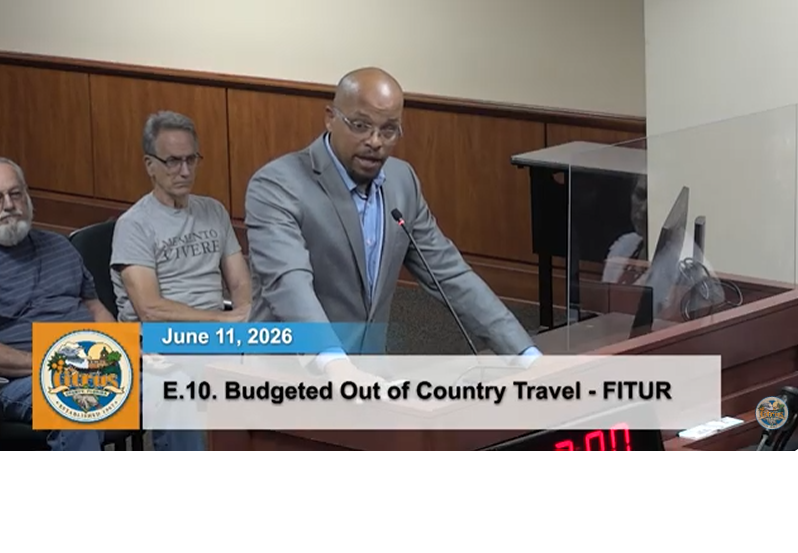
Tourism funding may seem like a smaller issue, but it fit the same pattern. Citrus County’s visitor economy is heavily driven by in-state travel, and the argument was made by Commissioner Bays that marketing dollars should follow that reality instead of being spread too broadly or in markets where we see little revenue. According to Visit Florida, overseas travelers only account for 6.5% of our tourism revenues.
That point echoed the larger budget theme of the meeting: whether the topic is tourism, roads, industrial growth, or jail spending, public dollars should be tied to measurable results and long-term priorities. It also reinforced the idea that voters deserve to see the full picture—not just this year’s request, but what repeated decisions mean for the county’s future finances.
What residents should take away
The most important takeaway from the June 11 meeting is that these issues are connected. Holder Park, the cement plant, jail staffing, Right Rudder, Betz Farm, roads, reserves, and tourism all come back to the same questions: what is the county committing to, what will it really cost over time, and how much of that burden will ultimately land on taxpayers.
For voters, the meeting was a reminder that budgeting is not separate from growth policy or contract management. It is the thread that runs through all of it. As the county moves into future budget talks and development debates, residents will be watching which commissioners are willing to lay out the full long-term picture before asking the public to absorb more risk.
